AI infrastructure is scaling faster than its supply chain. NUCO connects opportunity to execution.
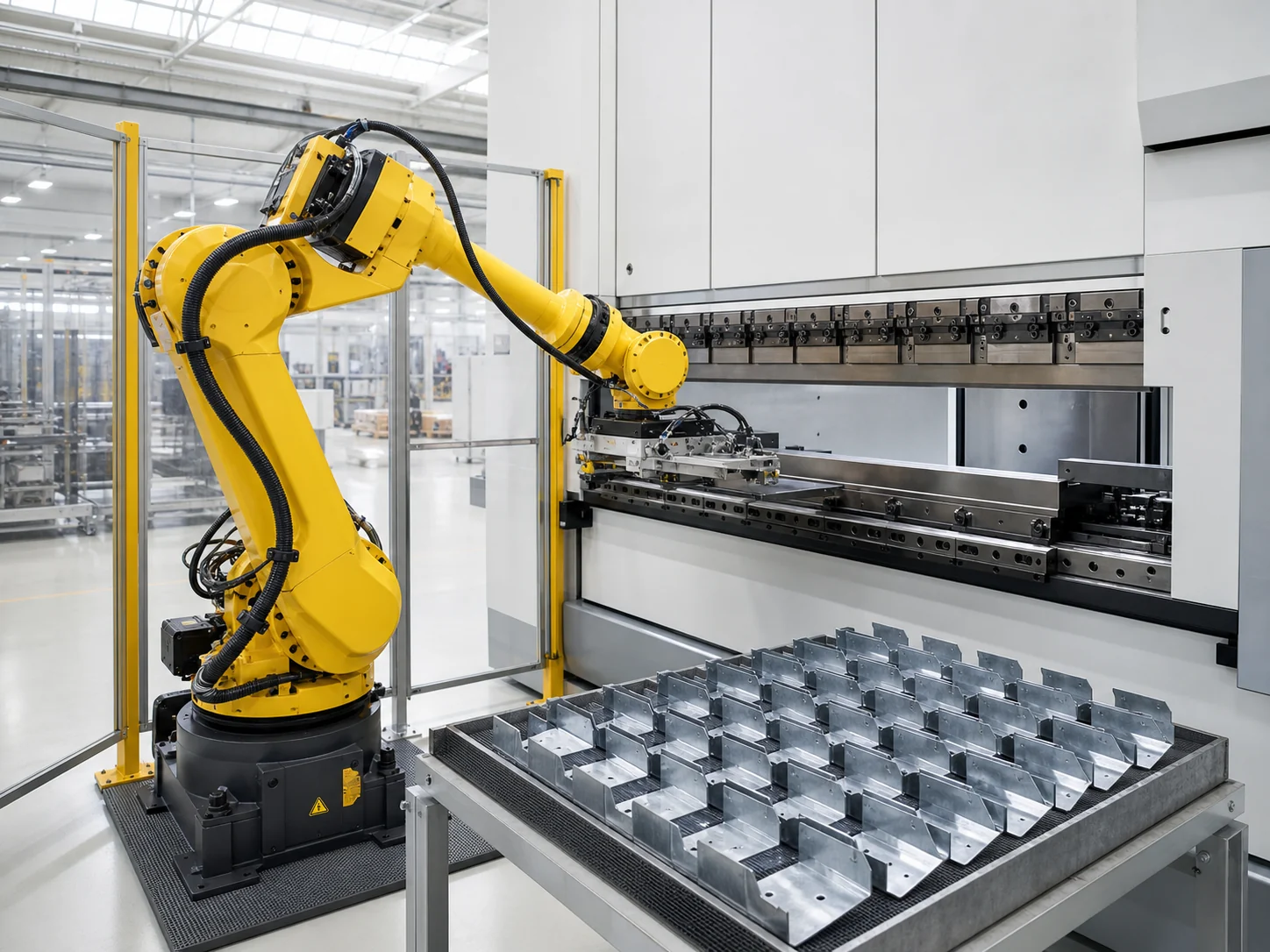
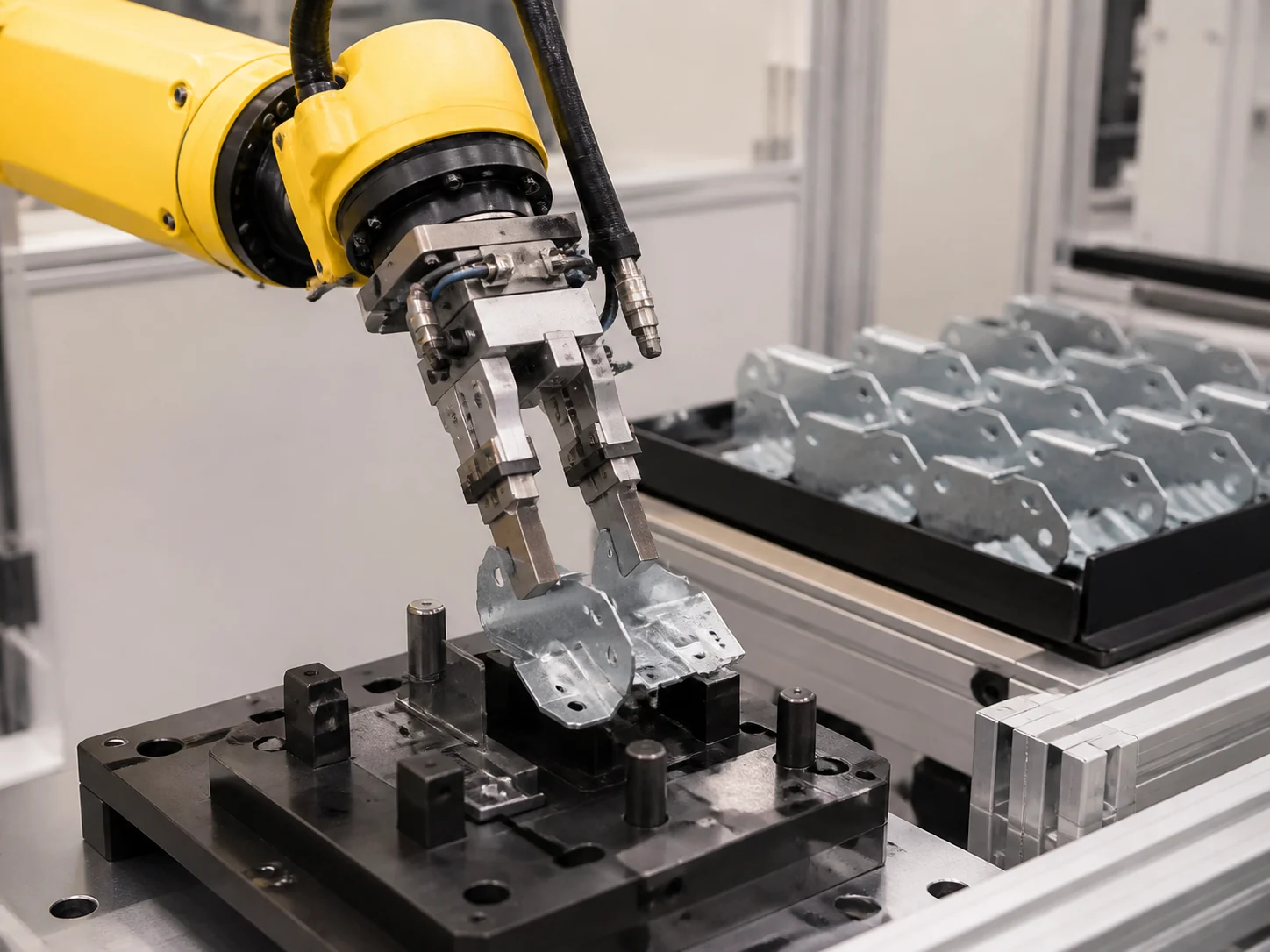
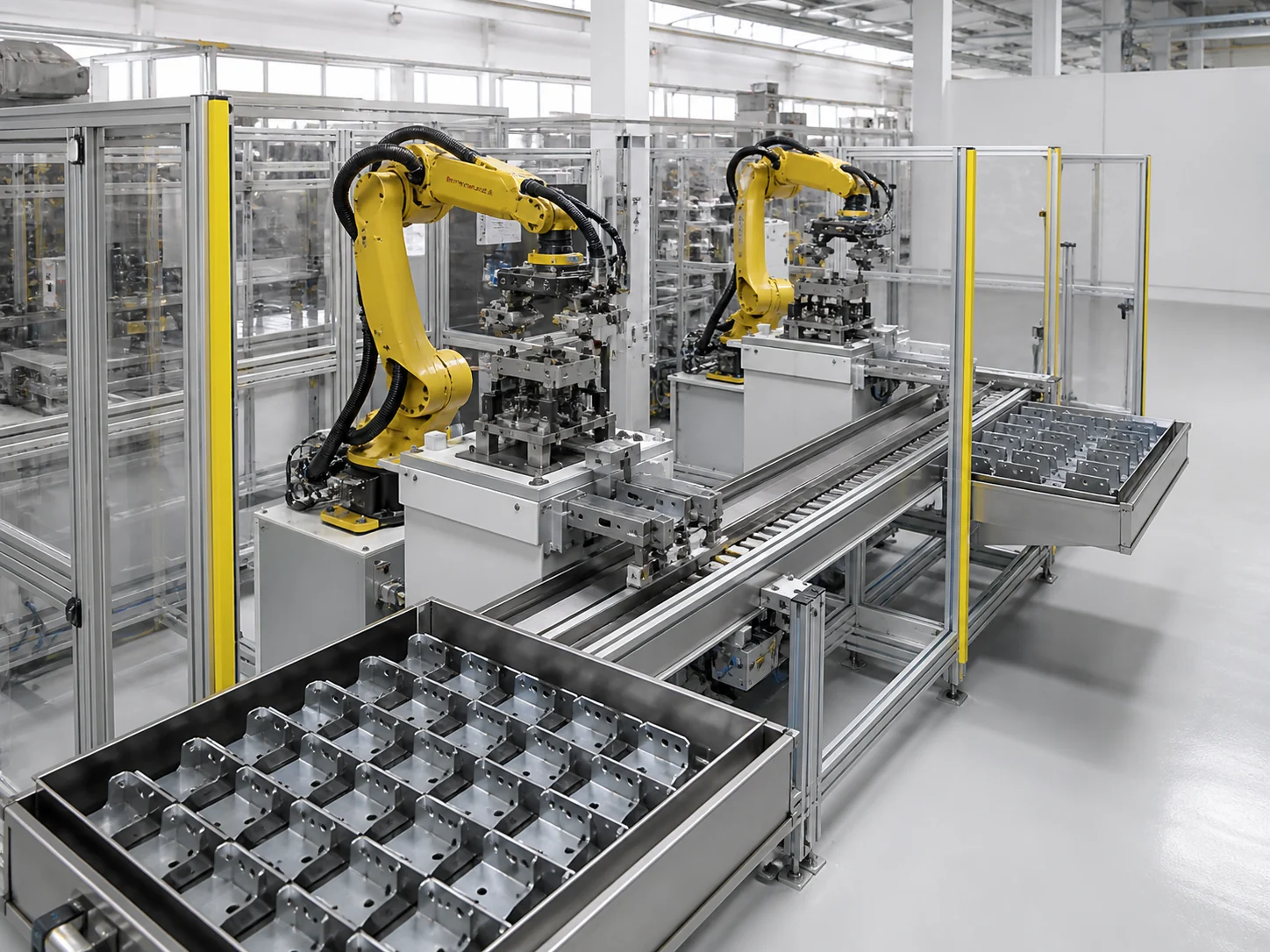
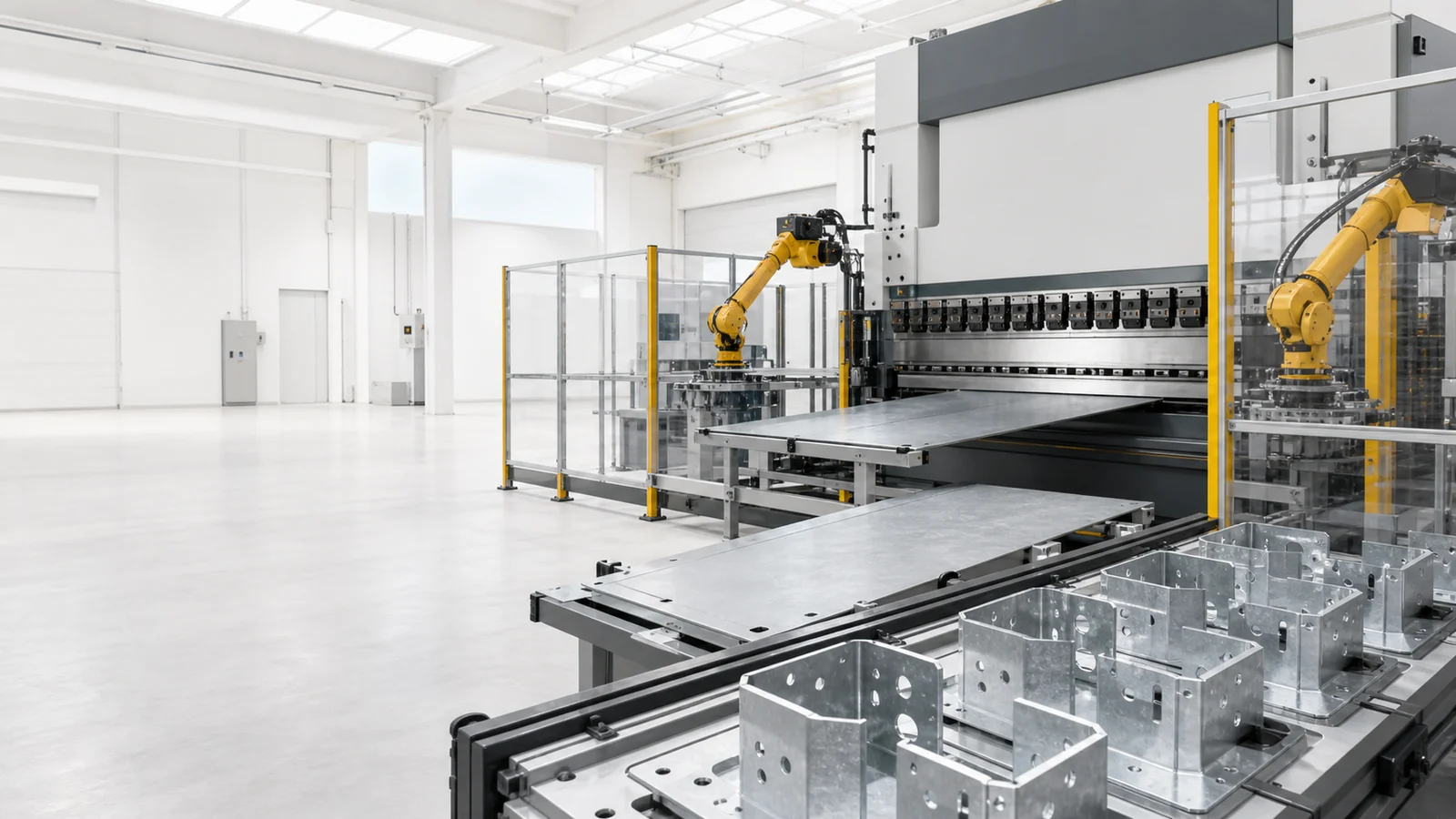
Concept film · Illustrative manufacturing and rack assembly
NUCOconnects the work.
We develop the opportunity, align the commercial scope and coordinate the customer account through delivery—with qualified manufacturing and automation partners.
NUCO is an independent strategic ventures and commercial development platform. We develop accounts, structure opportunities and stay involved through delivery and expansion. Singh Thermal and Singh Automation are preferred, nonexclusive execution partners; their operations remain separate.
01
Originate
Qualify the customer need, recurring parts and commercial fit.
02
Structure
Align scope, contracting parties, responsibilities and milestones.
03
Assemble
Bring in qualified manufacturing, automation and technical specialists.
04
Execute
Coordinate the account, agreed delivery plan and next opportunity.
Account continuity + project delivery
For each approved project, the lead delivery company provides a qualified PM through the project budget. NUCO agrees the appointment before execution, oversees commitments and keeps the client relationship. The PM runs one shared plan and reports to NUCO and the client. Technical decisions stay with qualified leads; no permanent NUCO PM hire is assumed.
Controlled cadence on the same recurring component
Next day
Reported program Michigan delivery example
One part
Enough to begin a component review
*An August 2026 client briefing reported one confidential recurring-component program at 650 finished parts per production day, approximately one part every 40 seconds. Next-day delivery describes a separate qualified Michigan program. These are scoped partner examples—not NUCO production history, Singh-wide capacity or delivery commitments. Current availability must be reconfirmed for each project.
The partner manufacturing approach
More value. Shorter, faster-reacting supply chains. Aggressive automotive discipline.
01↓More value
Remove layers that do not improve the finished part.
02»Shorter + faster
Bring production, inventory, and change control closer to the build.
03Automotive approach
Apply automation, repeatability, fixtures, and controlled cadence.
Why now
Demand is outrunning the metal underneath it.
AI buildouts put pressure on repeat metal supply. NUCO develops the commercial opportunity and coordinates the account; Singh and other qualified partners review the manufacturing route and agreed package.
485 → 950 TWh
Global data-center electricity demand is projected to nearly double from 2025 to 2030.
Singh turns repeat metal packages into controlled programs for power, cooling, and rack systems.
Singh headquartersPortage, MichiganSingh production footprintMetro DetroitSingh U.S. presenceCaliforniaSingh global supportIndiaAutomation supportSingh AutomationOperating loopDesign through repeat supply
01
Manufacturing and DFM review
Lock the package.
Singh moveConfirm revision, material, tolerance, finish, quantity, and approval requirements.
Buyer outcomeFewer quoting surprises. A cleaner launch.
02
Automation and vision
Give the route eyes.
Singh moveApply vision checks, machine tending, fixtures, and end-of-arm tooling with Singh Automation.
Buyer outcomeAutomation-ready handling built around the part.
03
Robotics and assembly
Turn motion into cycle time.
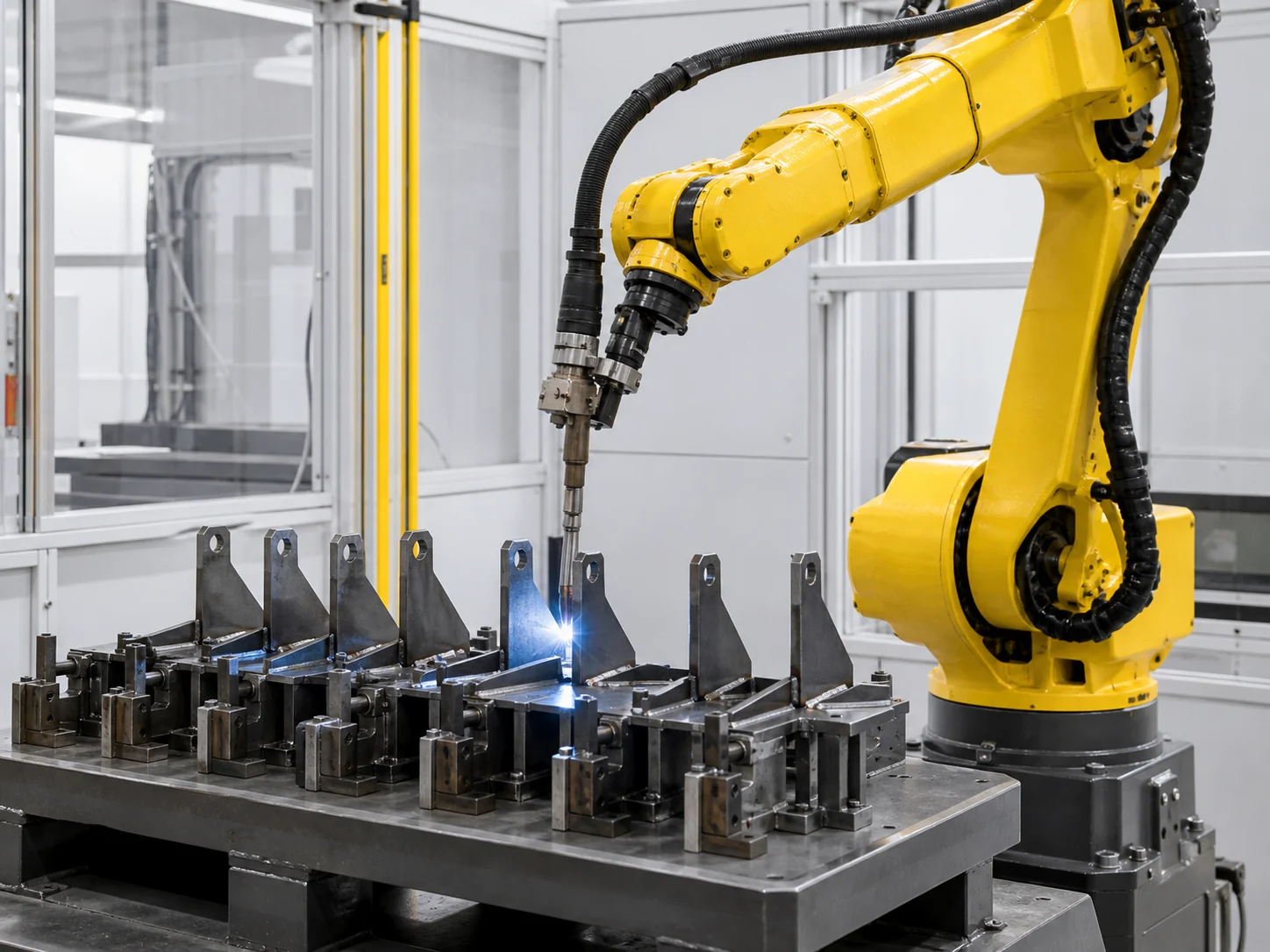
Singh moveDefine robotic handling, transfer, assembly, and inspection around the released geometry.
Buyer outcomeA repeatable route, not project-by-project fabrication.
04
Welding and finishing
Join. Finish. Contain.
Singh moveConnect welding, fabrication, finishing, handling, and inspection in one plan.
Buyer outcomeLess risk between conversion and release.
05
First article and qualification
Prove it before ramp.
Singh moveSet inspection requirements, build the first article, and support testing and approval.
Buyer outcomeEvidence before volume release.
06
Kitting and repeat program supply
Kit what the line needs.
Singh moveControl revisions, pack to quantity, replenish to cadence, and hold affected work when drawings move.
Buyer outcomeLess inventory. Less line-side complexity.
07
Supplier transition and launch
Change suppliers without losing control.
Singh moveSequence sourcing, tooling, qualification, release, and replenishment around one transition plan.
Buyer outcomeA visible launch with fewer disconnected handoffs.
Partner profile reproduced from Singh Thermal Systems’ published company, location and partner material. Facilities and resources belong to the partner—not NUCO. Specific availability, qualifications and manufacturing scope are confirmed for each project.
Clear responsibility from account to component
The system. The metal. The coordination.
The customer and integrator define and approve the system. Singh delivers the agreed manufacturing package. NUCO keeps the commercial account and coordinated plan moving.
Responsibilities stay explicit. The customer and integrator retain architecture, performance requirements, system testing and final approval. The manufacturing partner controls its agreed component scope; NUCO coordinates the account and project interfaces.
Customer + integrator
Define and approve
System architecture, released drawing, performance requirements, testing, and final approval.
Singh / agreed manufacturing scope
Industrialize and supply
Manufacturing review, route, tooling, component production, inspection, packout, and replenishment.
NUCO + lead-delivery project manager
Develop and coordinate
NUCO keeps account continuity and commercial coordination. The lead delivery company’s project-funded PM runs the shared plan and reports to NUCO and the client; qualified leads retain technical decision ownership.
ProgramRequirements
Build input
IntegratorDrawing + specification
System definition
SinghComponent manufacturing
Focused production lane
IntegratorModule assembly
System integration
DestinationData-center deployment
Finished build
One qualified part becomes a repeatable production lane.Drawings in. Kitted metal back. Module assembly keeps moving.
The transformation · before and after
Same parts. A completely different way of making them.
01
Before
Conventional fabrication
Drawing
Manual fabrication
Batch supply
Separate operations. More handoffs.
02
After
The Singh production model
Released drawing
Qualified route
Repeat supply
Qualify the route. Control every release.
Compare the operating models
What changes
Conventional fabrication
The Singh production model
Mindset
BeforeManual, low-volume, project-based
SinghAutomotive, high-volume, automation-led
Production
BeforeManual operations and handoffs
SinghFast, controlled cycles
Quality
BeforeVariable between handoffs
SinghRepeatable route and inspection
Cost structure
BeforeLayered and inventory-heavy
SinghControlled releases, fewer layers
Supply chain
BeforeLong and fragmented
SinghShort, direct, and close to the mill
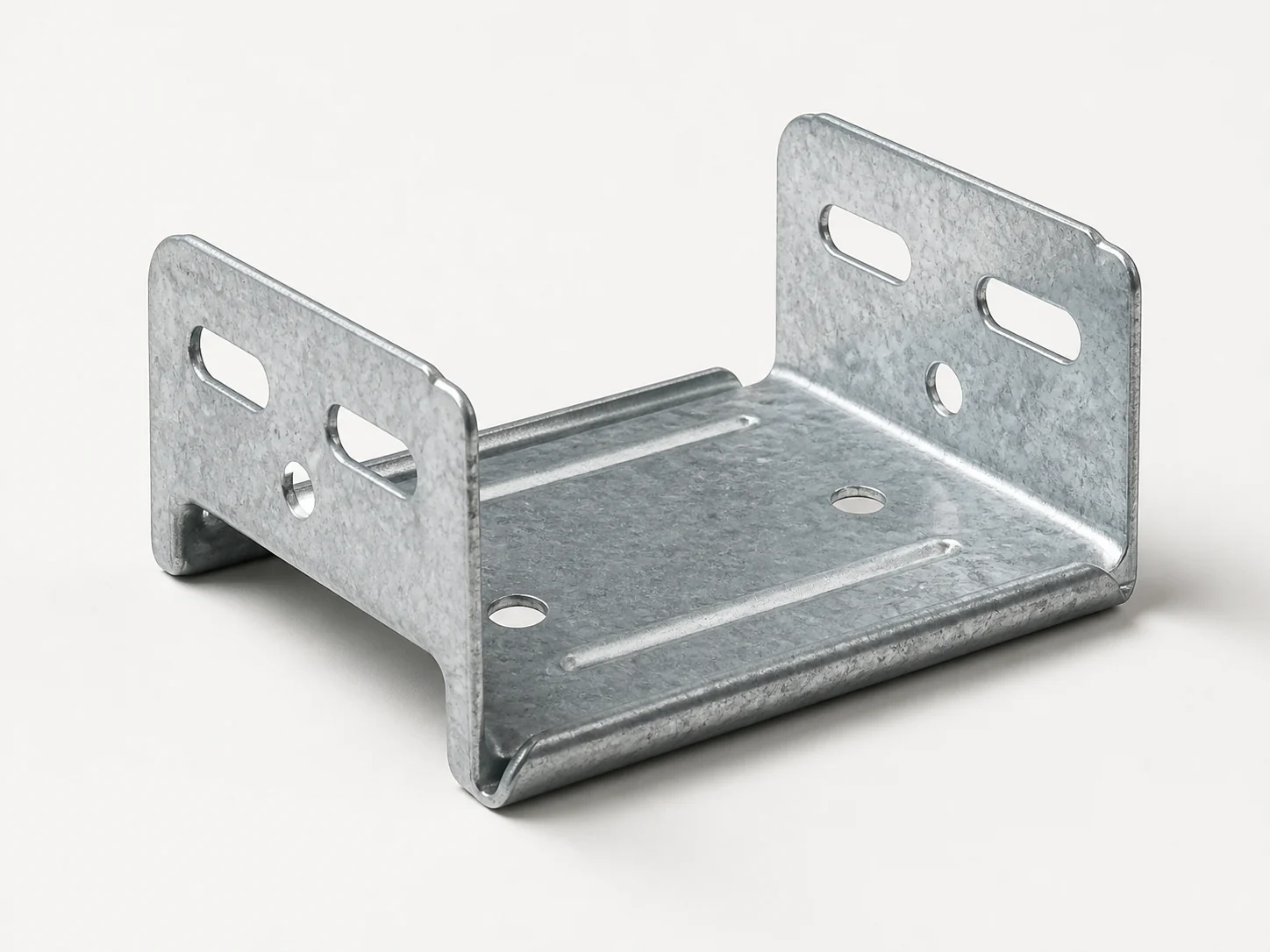
The repeat metal inside every build.
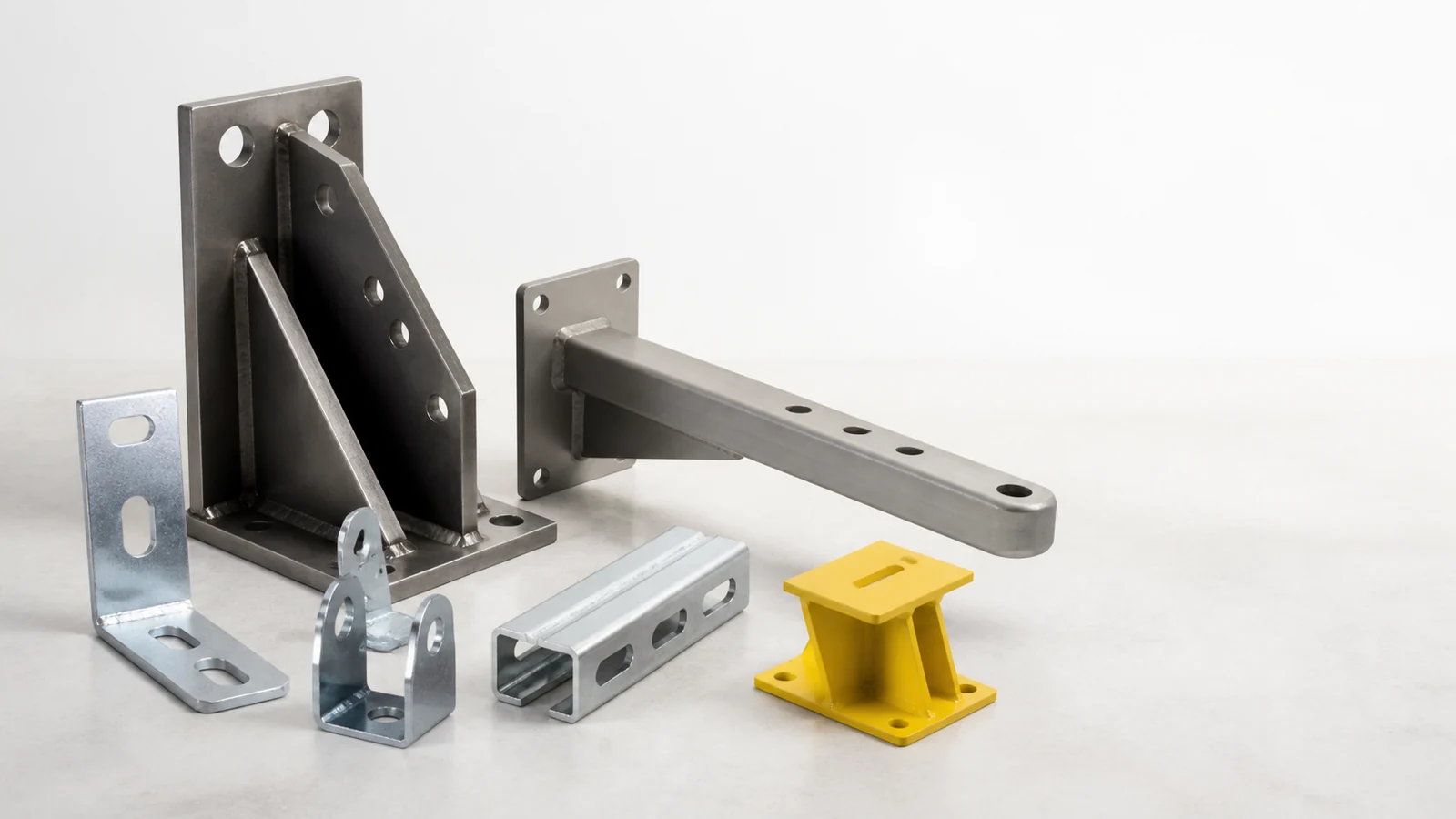
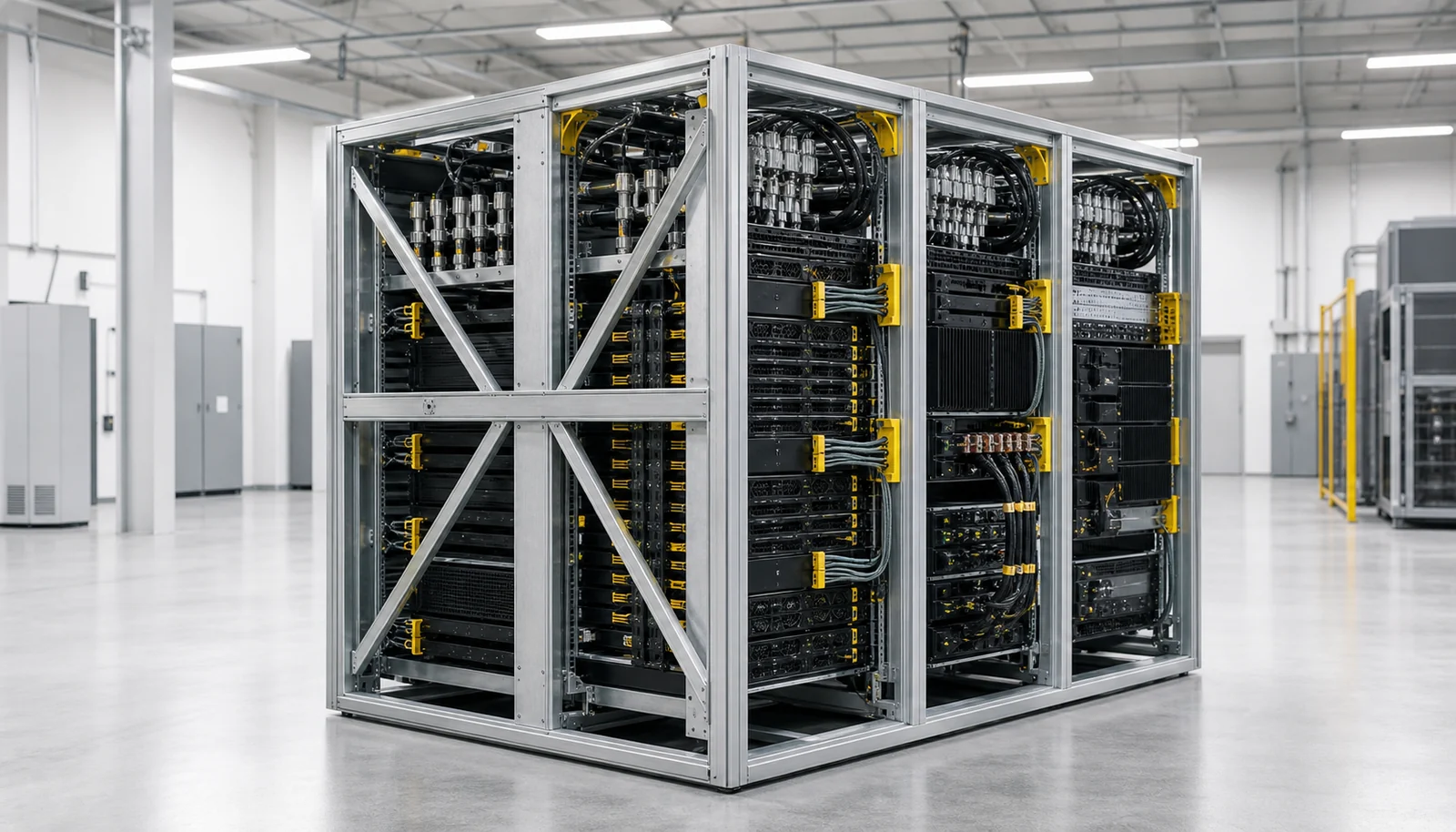
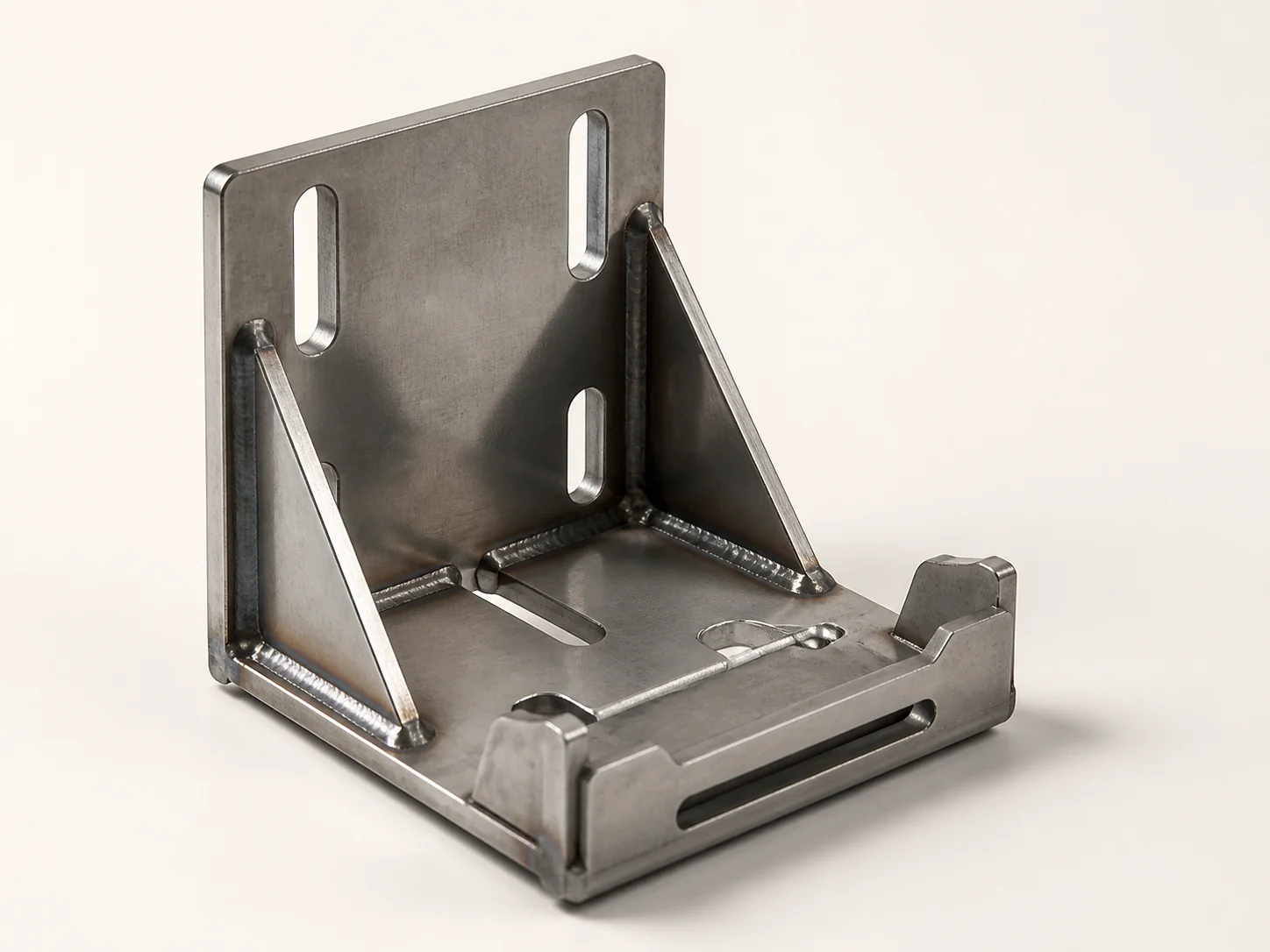
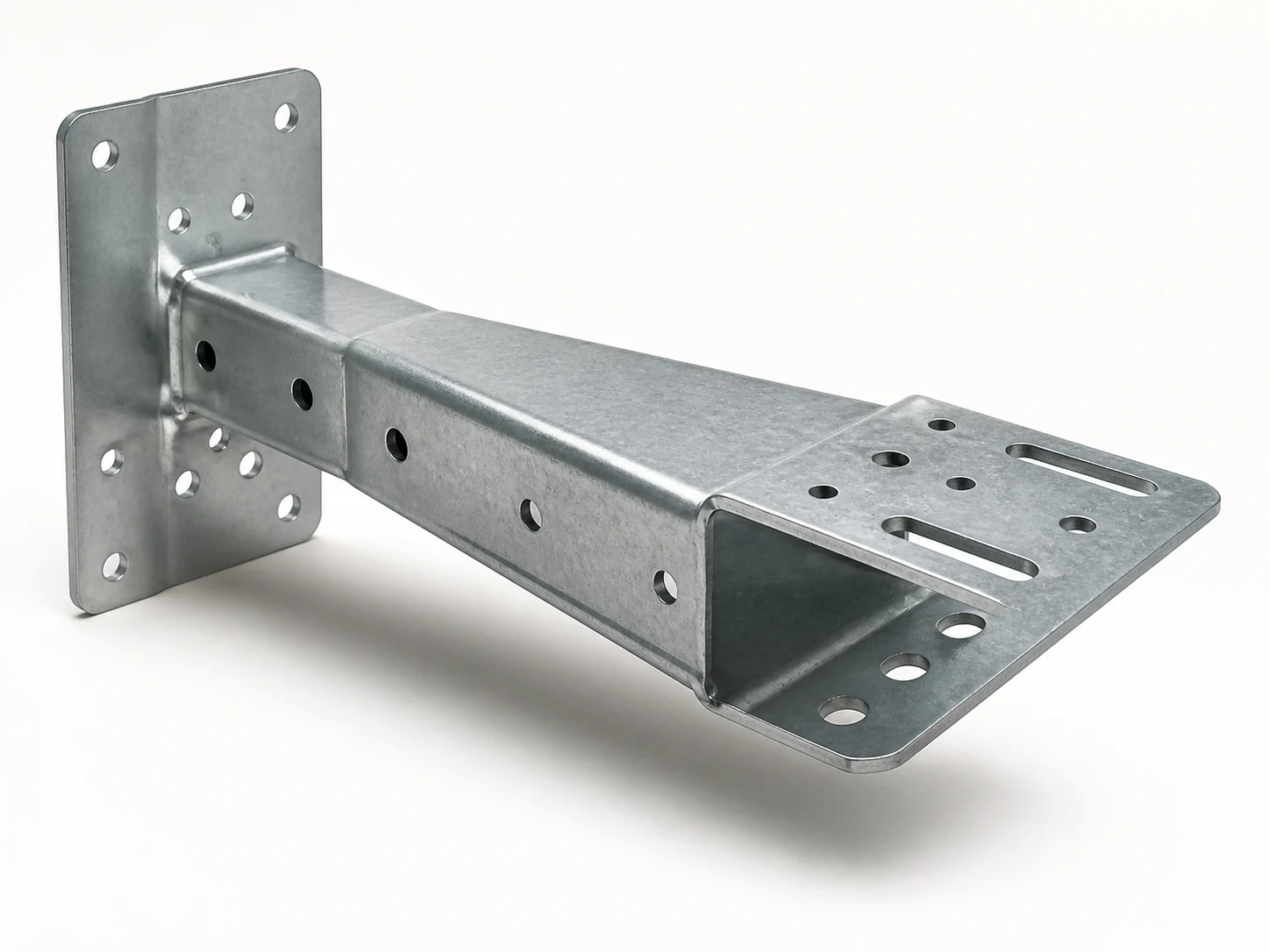
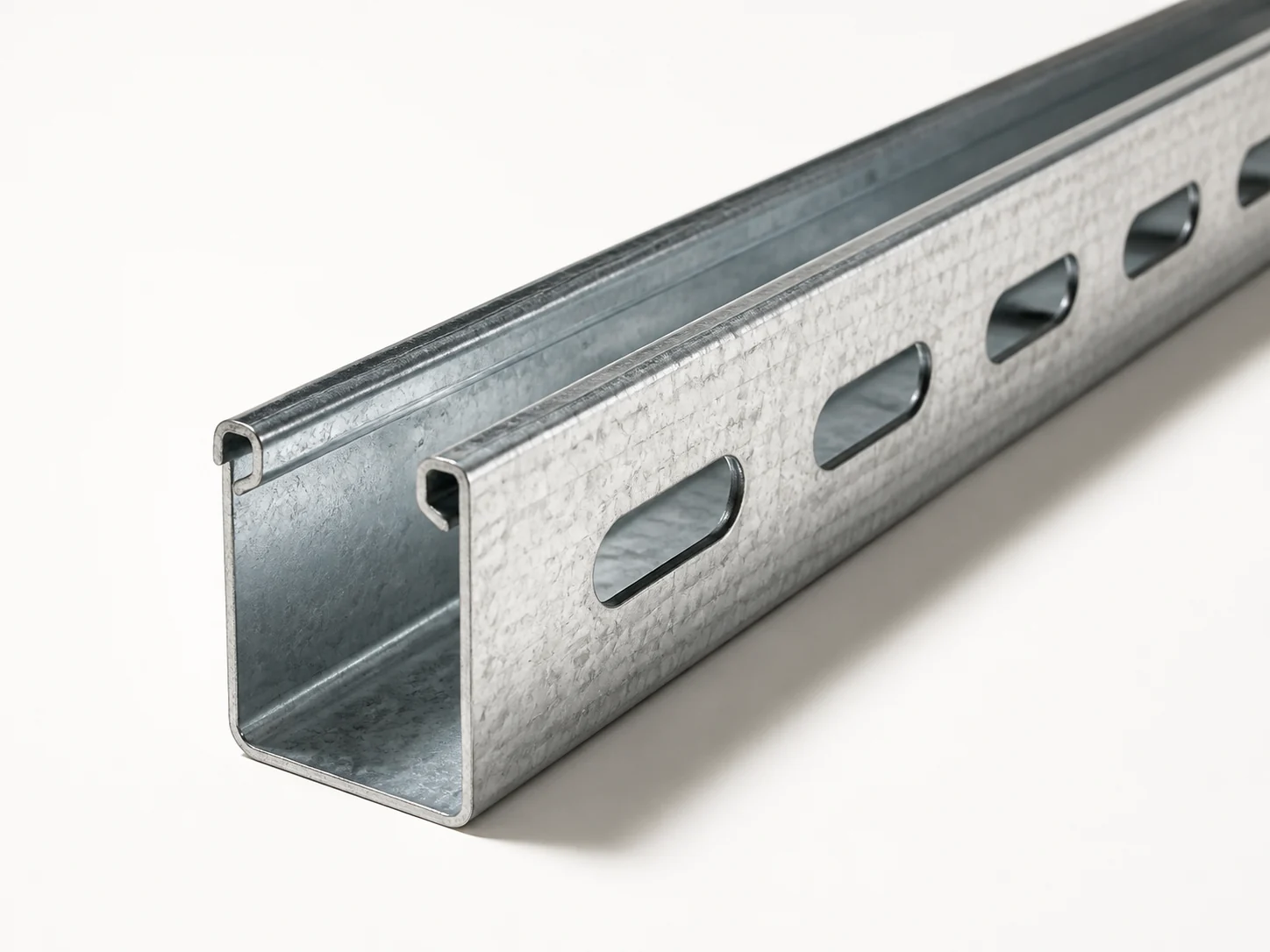
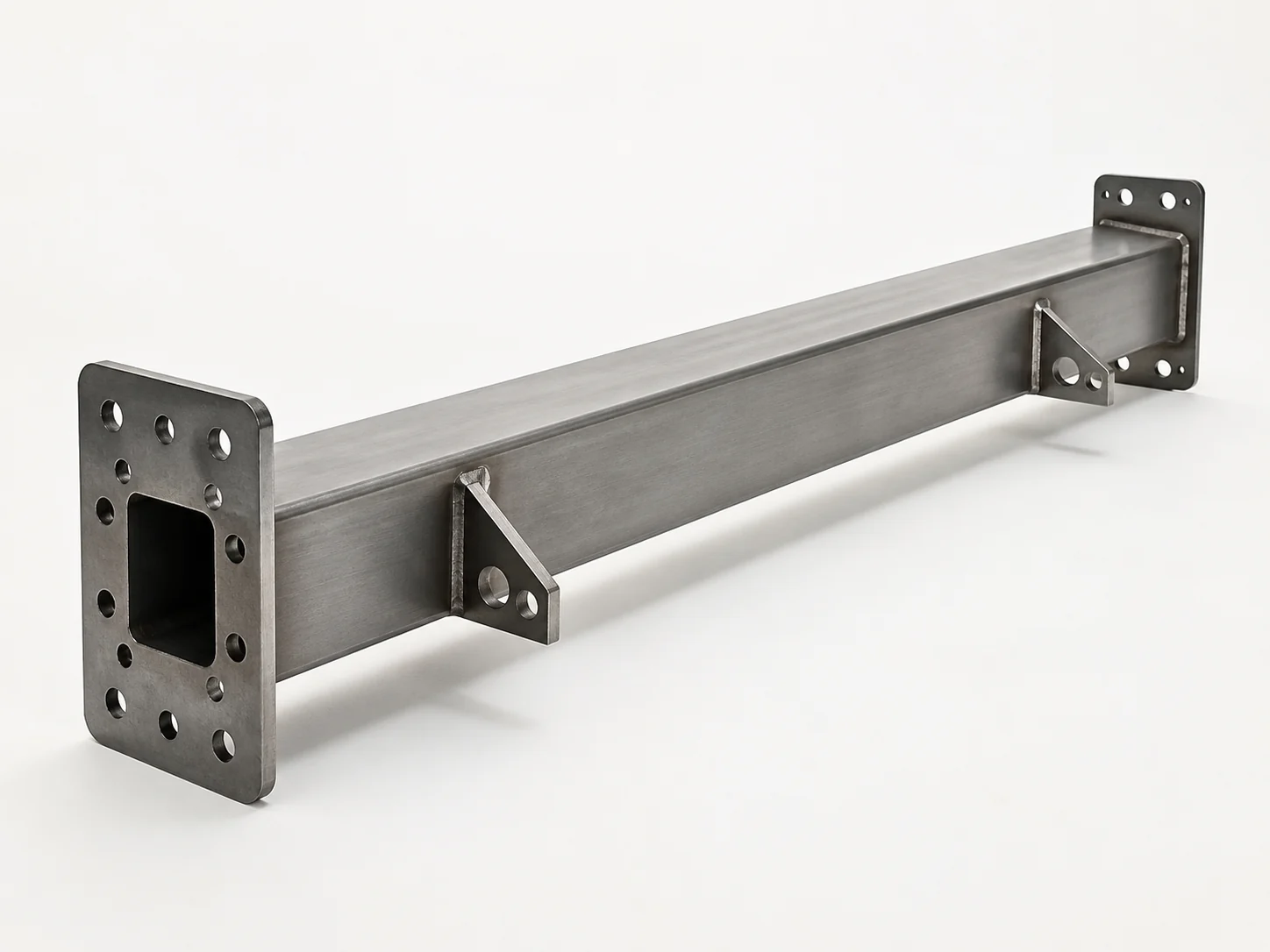
Illustrative component concepts · not installed NUCO equipment or a project delivery record.
Brackets, arms, channel, structural members, and welded cooling assemblies. Qualified, kitted, and ready to replenish.
PDU mounting brackets
Formed brackets that place and support power-distribution equipment.
Heavy-duty disconnect brackets
Fabricated supports for disconnect hardware and electrical assemblies.
Mounting arms
Equipment-positioning arms built to the released geometry.
Channel-profile components
A Singh principal-authorized September 3, 2026 briefing reports a tested strut-compatible profile, with customer approval in progress at the time of that briefing.
Structural support members
Beams and structural members up to 40 feet, built from the module drawing.
Cooling-system assemblies
Welded stainless assemblies for the integrator’s released cooling-module design.
Send the repeat part. Include revision, material, finish, and quantity profile.
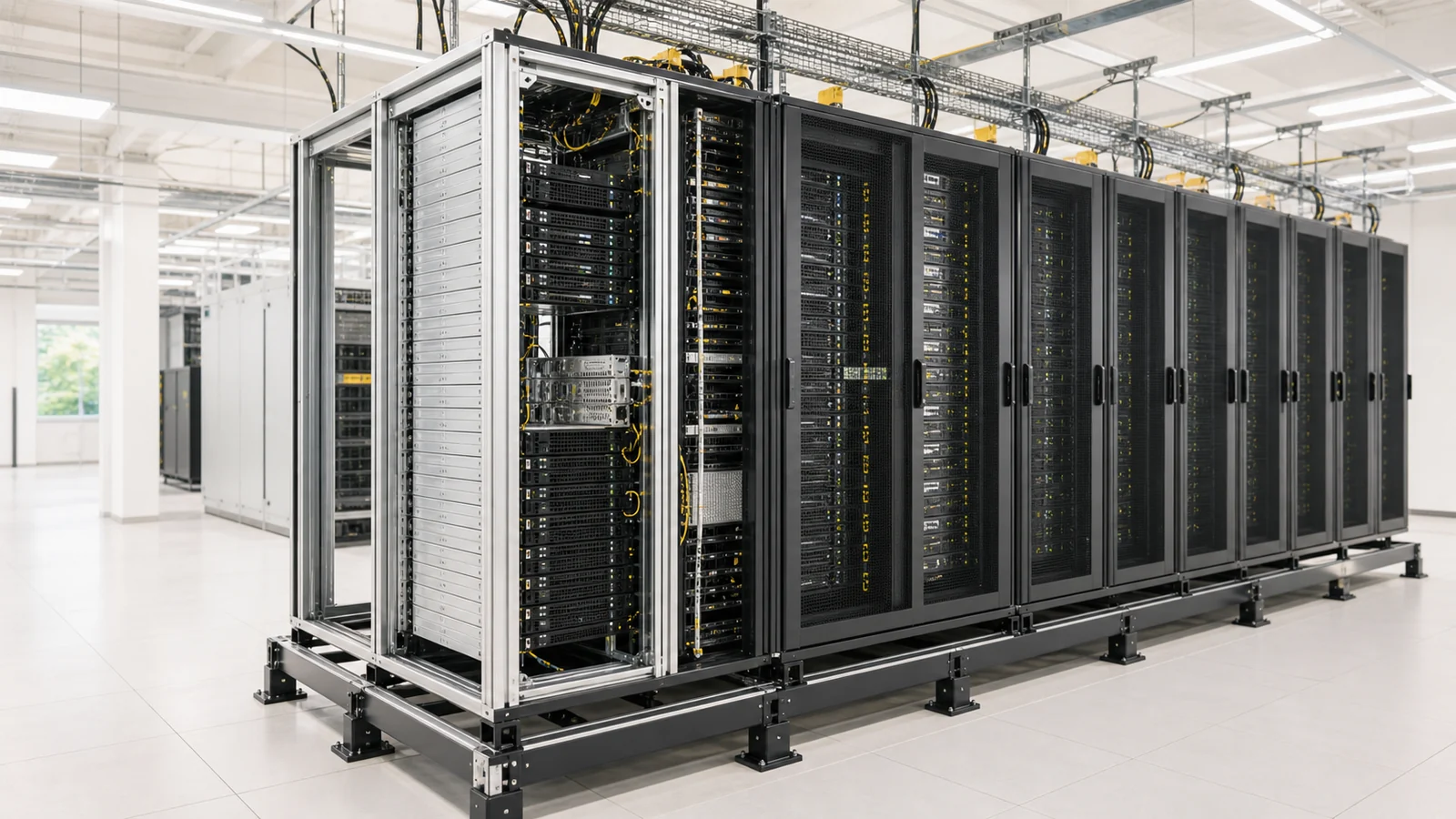
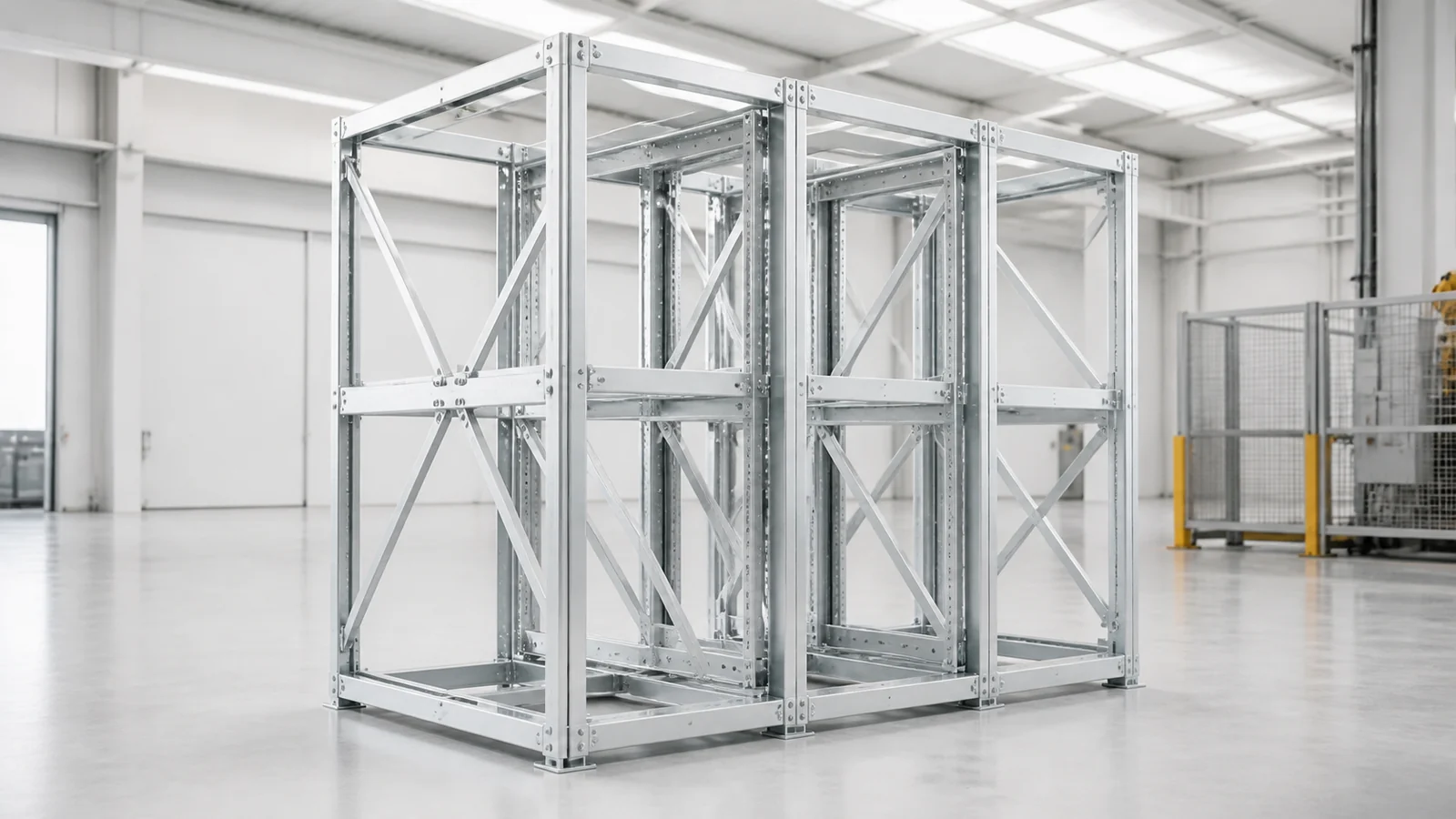
Illustrative rack progression · not an installed NUCO system or operating-site record.
Structure first. Integrated module next. Deployed row last.
Singh builds the repeat metal under the finished system.
Structural packageWhat Singh manufactures.Integrated moduleWhat the structure becomes.Deployed systemWhere the finished system operates.
Partner delivery scope / Singh
Drawing in. Repeat supply out.
Four gates turn a part into a program.
In viewManufacturing review
Manufacturing review
Lock revision, material, finish, tolerances, volume, and approvals.
Quote-ready scope. Open items exposed.
Route and tooling
Define operations, fixtures, handling, automation, and inspection.
One documented route around the released part.
First article and release
Build the sample and support testing. The customer or integrator approves release before ramp.
Approved revision. Production controls set.
Pack and replenish
Kit to the release. Replenish to cadence. Control every revision.
The module line gets what it needs, when it needs it.
Partner manufacturing route
Six steps. One controlled route.
In client terms
Receive and verify → cut and feature → form → join and machine → finish and inspect → pack and release.
The exact route follows the released drawing and program quality plan.
01
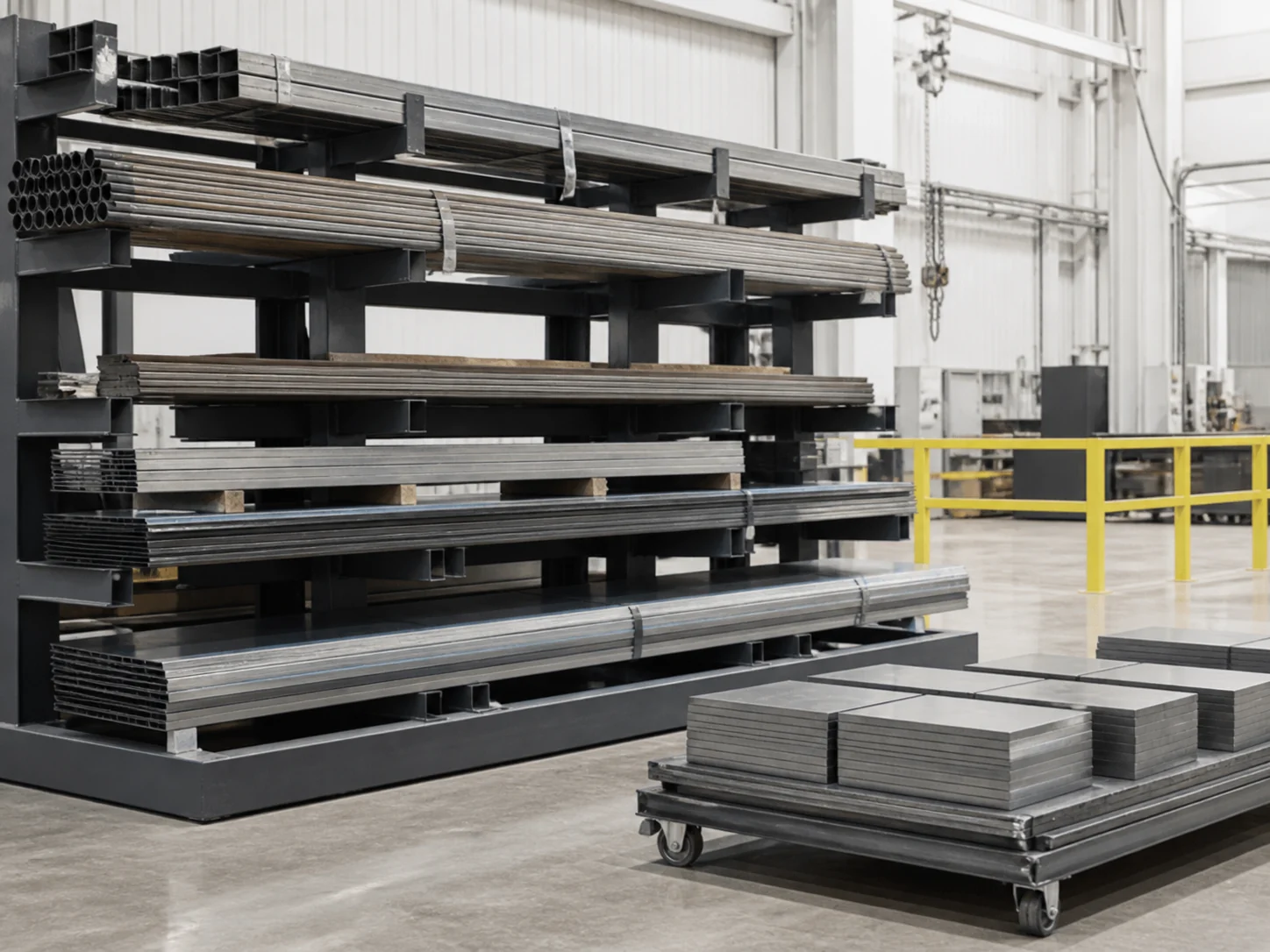
Receive and verify
Verify material, revision, and program.
02
Cut and feature
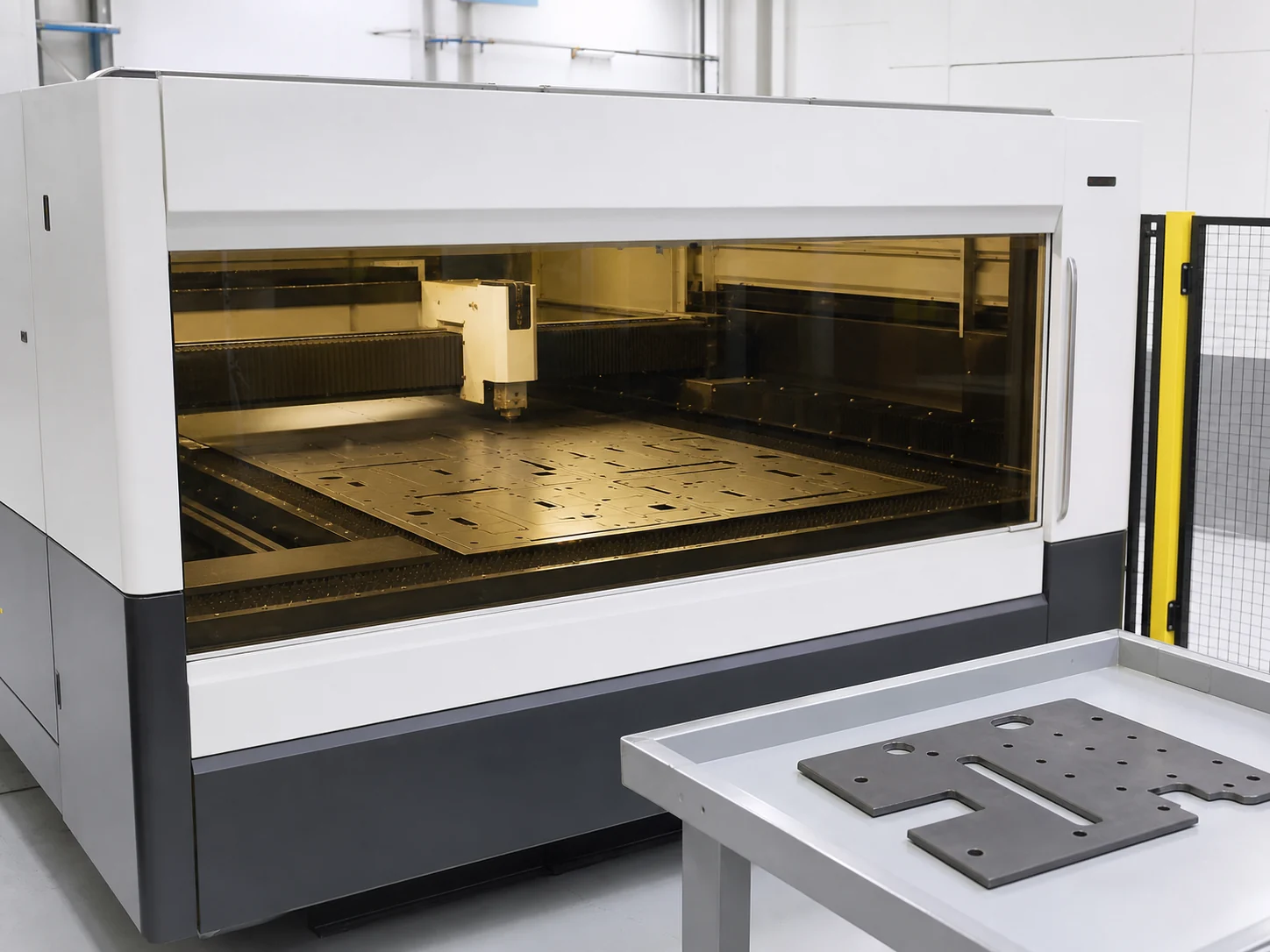
Cut blanks, profiles, holes, and features.
03
Form
Form to released geometry.
04
Join and machine
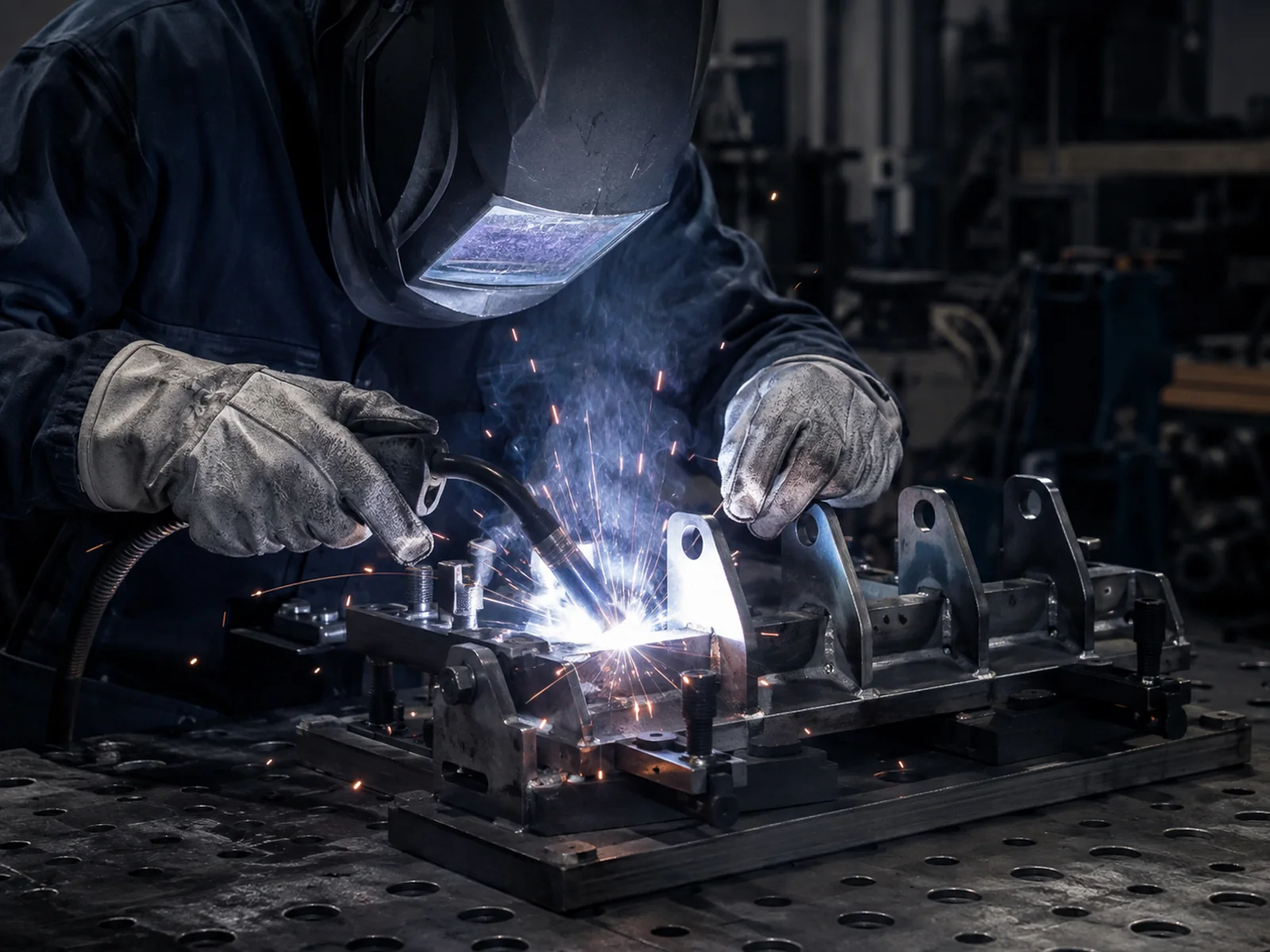
Weld, drill, and machine.
05
Finish and inspect
Finish. Inspect. Release only to plan.
06
Pack and release
Kit the approved quantity. Ship to cadence.
Singh source-reported program example
650 parts a day. One controlled route.
An August 2026 client briefing describes one confidential recurring-component program at one finished part every 40 seconds, automated and kitted for release.
*August 2026 client briefing; a scoped example, not NUCO production history, Singh-wide capacity or a commitment for another project.
650parts / day*
40sec / part*
Drawing revision
Defined route + fixture
First article + approval
Automated recurring run
Quantity-based kit + release
How the operating model scales
Qualify one. Repeat it. Expand the package.
One route becomes a release. Releases become a supply relationship. Adjacent parts follow the same model.
Land
Qualify
Repeat
Expand
Singh program report · data-center strut
Demand outran the premium brand. Singh built the route.
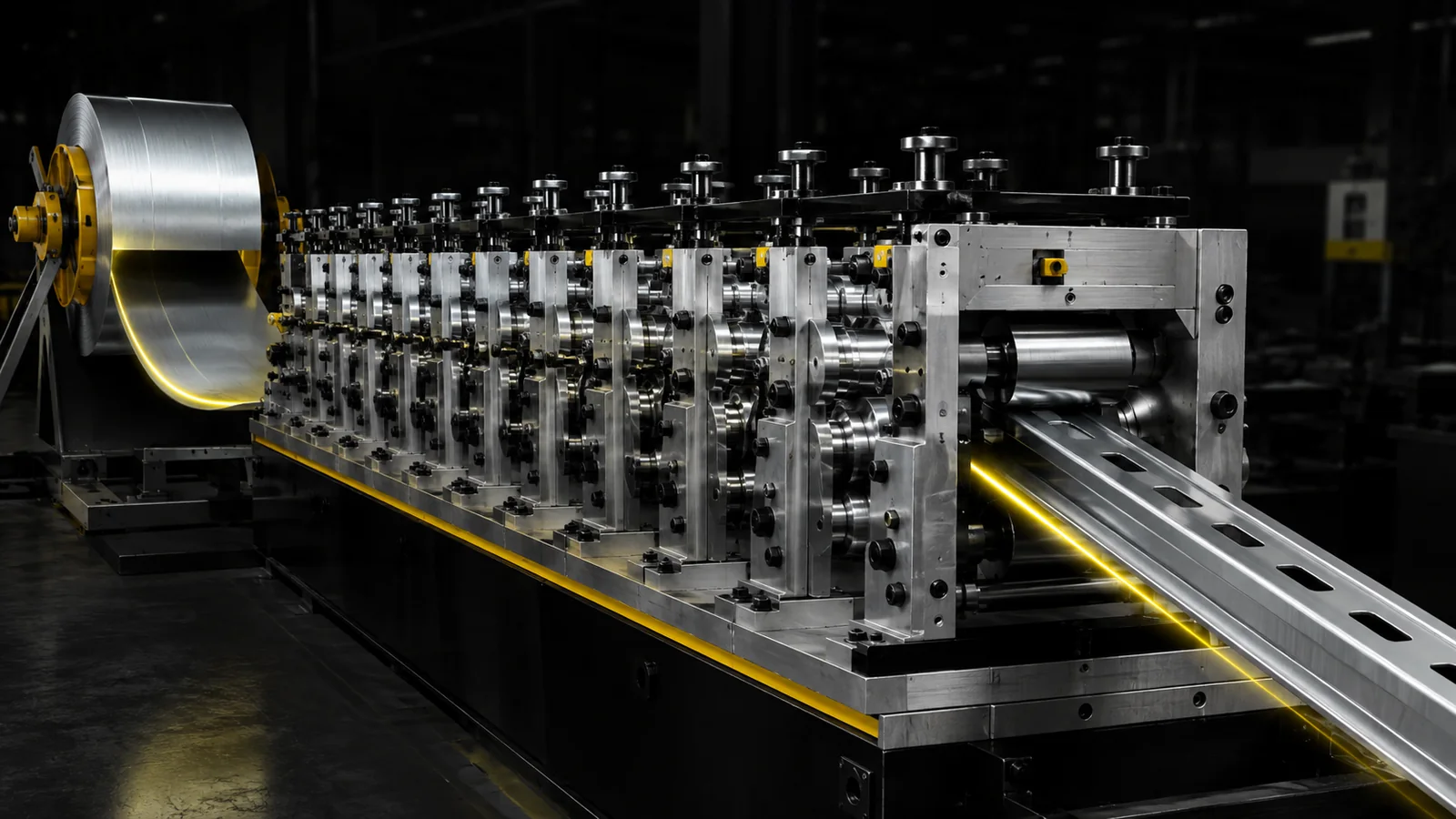
A Singh principal-authorized September 3, 2026 briefing describes dedicated roll-form tooling for a strut-compatible profile, with customer approval still in progress at the time of the report.
Roll-form output600 ft / min
Cost per foot−41% vs. premium strut
QualificationTested approval in progress
A Singh principal-authorized September 3, 2026 briefing described a strut program model at 600 ft/min and 41% lower cost per foot versus the cited premium reference profile. It is not a NUCO rate, current quote or universal saving; customer approval and current availability require confirmation.
The domestic advantage
Six weeks at sea cannot react to tomorrow’s revision.
Bring production closer. Cut transit, inventory, containment time, and the cost of being wrong.
Production follows the approved revision. A change holds affected work before it becomes inventory.
Partner route economics / illustrative comparison
Stack every cost bucket. Remove every unnecessary layer.
Material, conversion, logistics, quality, and import exposure all move when the route gets shorter.
Conventional
Singh
Materials + componentsMill-direct, volume-oriented buying with fewer distributor layers.
Assembly + finishRobotic welding, handling, and controlled finishing.
LogisticsOne short domestic chain without ocean freight or customs.
Cost of qualityVision, fixtures, and close containment reduce rework exposure.
Import tariffAssess finished-part import exposure and any duties on input materials for the actual route.
Lower total landed costShorter route. Fewer layers. Defined import exposure.
Illustrative cost structure from the Singh source concept. Bar heights are not a project quote. Material origin, tariffs, freight, quality costs and the full landed cost require a project-specific comparison.
01 · Material path
Source to the route.
Buy material for the released part, not a distant batch pipeline.
02 · Manufacturing conversion
Repeat one method.
Lock fixtures, handling, operations, and inspection.
03 · Logistics
Remove the ocean.
Connect delivery directly to the module schedule.
04 · Inventory and storage
Kit to release.
Cut warehouse, FIFO, and obsolete-revision exposure.
05 · Quality containment
Contain close.
Find, isolate, and resolve affected work faster.
06 · Revision control
Stop the old revision.
Confirm the new baseline before more inventory is made.
07 · Import exposure
Exit the import lane.
Evaluate domestic conversion against the actual freight, customs and material-origin exposure.
Modular scale model
Build capacity cell by cell.
Each qualified part gets a defined route, a planned cadence, and room to scale.
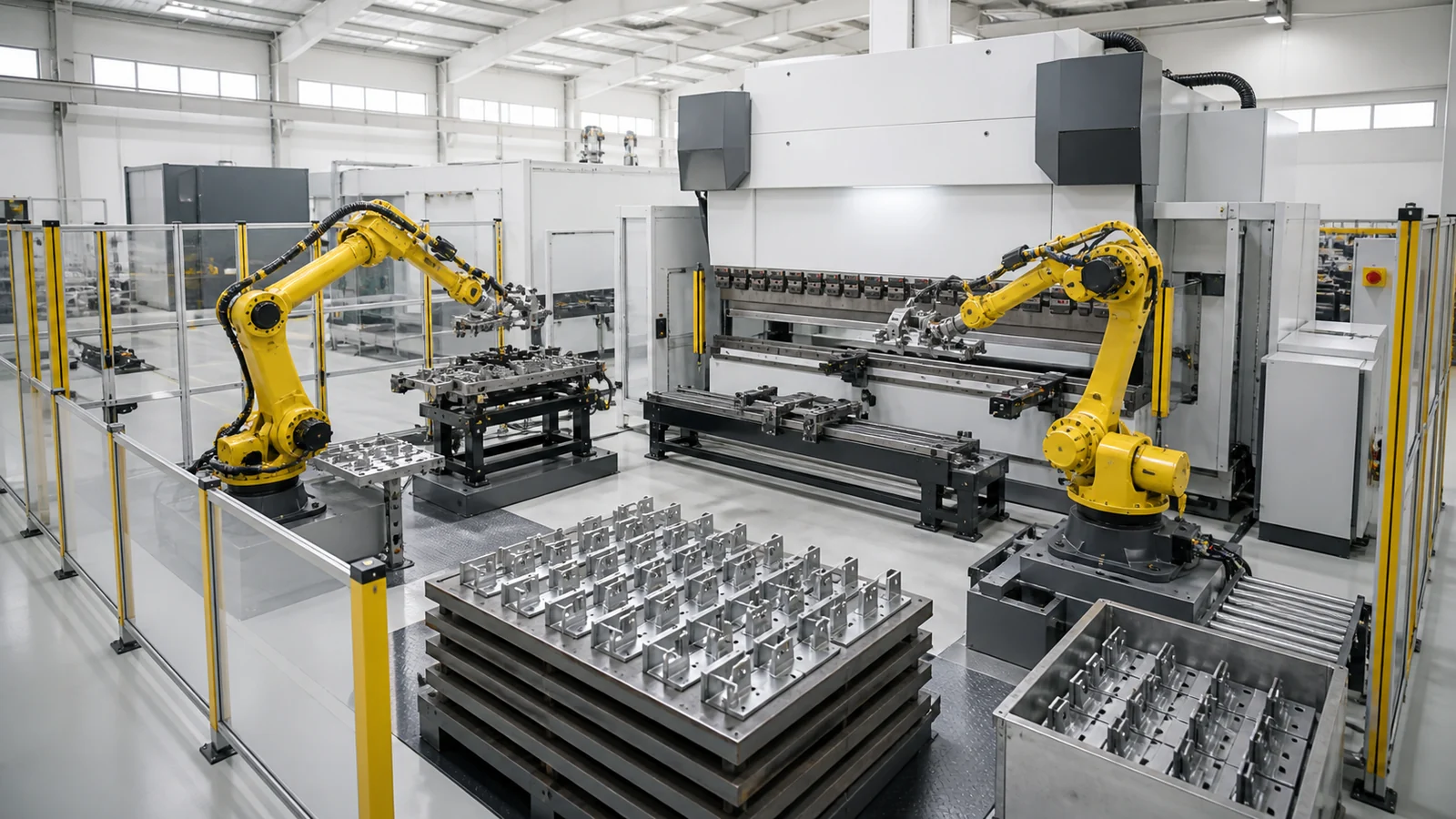
Singh’s proposed factory model is built around defined routing, automation, inspection and packout. The imagery illustrates that future-state approach.
Singh Automation supports machine tending and end-of-arm tooling. Equipment and program scope finalize with the build.
CONCEPT IMAGERY / SINGH FUTURE-STATE MODEL
Singh source briefing / development plans
Capital and tooling built around automotive throughput.
Singh’s September 3, 2026 briefing describes a multi-million-dollar automated line in design and fabrication for a confidential AI-infrastructure program, intended for beams, arms, brackets and full structural packages on a vision-guided route. Current status requires confirmation.
Singh’s reported Northeast Metro Detroit location is intended for data-center component production.
Customer co-location keeps the supply chain minutes and days—not shipping months—from the point of use.
As of Singh’s September 3, 2026 briefing, two facility launches were planned for 2027 to support automated large-structure production. This is a forward plan: neither facility was represented as operating, and timing and readiness require current confirmation.
10 minper 24' × 8' structure144full-structure cycles / 24 hr600 ft/minroll-form strut output−41%cost / ft vs. premium strut
Singh’s September 3, 2026 briefing states a design target of a 10-minute cycle. That equates arithmetically to 144 cycles over 24 uninterrupted hours, not verified daily output. The strut figures describe a separate program. Final throughput, uptime, equipment and readiness require an approved project plan; none is NUCO-owned capacity.
The Singh production platform
Run one part. Build the line around it.
Prove the route, automate it, localize supply, expand the footprint.
Operating model650 / day · 40 sec / part
An August 2026 client briefing describes one confidential recurring-component program at this cadence; it is not a NUCO operating record.
In design + fabricationAutomated structural production
Singh’s September 3, 2026 briefing describes a line under development for repeatable beams, arms, brackets and full structural packages; current readiness requires confirmation.
Near-customer modelMinutes and days, not months at sea
Metro Detroit production, quantity-based releases, and close change control keep the manufacturing conversation near the build.
Planned expansionMichigan first. Regional production next.
Singh can supply components and small subassemblies from Michigan first, then add local assembly as program demand supports the regional footprint.
Future-state facilities and regional expansion describe Singh’s September 3, 2026 source-reported direction, not NUCO facilities or funded commitments. Final equipment, timing, line rate and program scope require current confirmation and an approved plan.
The Europe solution
Bring the U.S. model to European data centers.
A development opportunity for NUCO and qualified partners: assess supply from Detroit first, then localize larger structures when demand, qualification and economics support it.
Partner strategy / opportunity to developEvaluate how Singh’s U.S. manufacturing model could serve European data centers.
First route to qualify
Supply from Detroit
Qualify components and small subassemblies
Confirm partner capacity and customer requirements
Compare lead time and fully landed cost
Develop the account before committing the route.→Future option / subject to feasibility
Regional assembly in Europe
Local assembly for large structures
Assess a qualified local partner or facility
Serving European data centers
Demand, approvals and investment come first.
Engagement
Start with the requirement.
One part is enough to start a discussion. Prepare a brief for your NUCO contact; this page does not send or upload information.
01
Prepare the package
Customer need, current drawing revision, material, finish, tolerances, quantity, timing and approvals. Share protected files only through an agreed channel.
02
Align the scope and team
NUCO coordinates the account and qualified partner review. Confirm the lead delivery company; it provides a qualified PM through the project budget, subject to NUCO agreeing the appointment before execution. Define approval authority and name the qualified technical leads.
03
Qualify the first article
The manufacturing partner supports the sample and inspection; the customer or integrator completes required testing and approval.
04
Lock the production control plan
Confirm the approved revision, production route, inspection, packing and release cadence with the customer and delivery partner.
05
Deliver and develop
The partner runs the approved package. NUCO maintains the account, coordinates changes and explores the next opportunity with the customer.
A useful starting brief
Bring the facts. We’ll organize the next step.
Copy this list into a note for your existing NUCO contact. Keep drawings and confidential material in the agreed sharing channel.
This site does not send or collect information. Add the NUCO contact who shared this site before sending.
Editable locally in this page · nothing is submitted or saved automatically.
One component is enough to begin
Turn a supply challenge into a coordinated program.
Bring the repeat part, package or customer need. NUCO brings the commercial scope and delivery team together, and stays involved as the account grows.
 01
01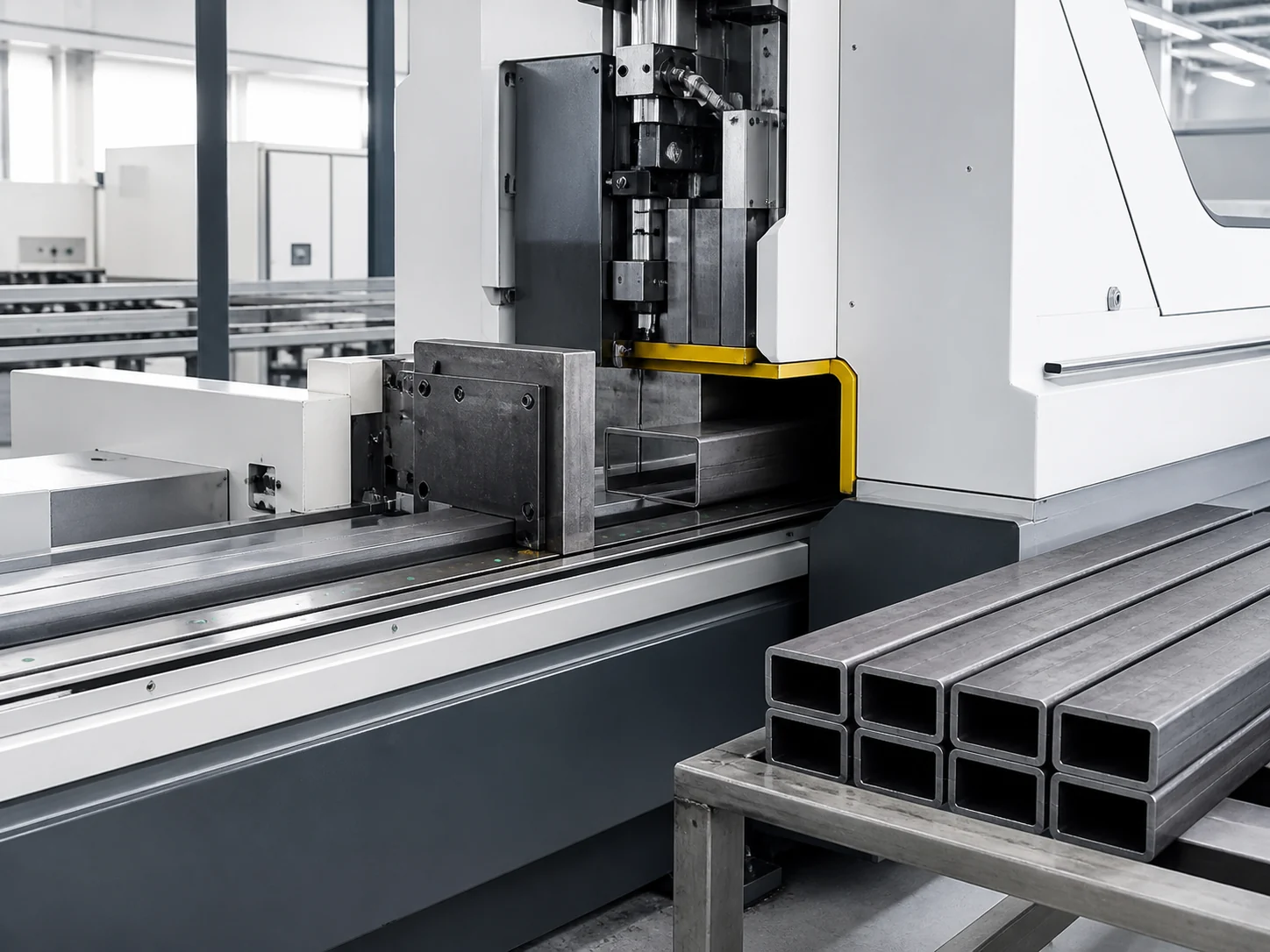 02
02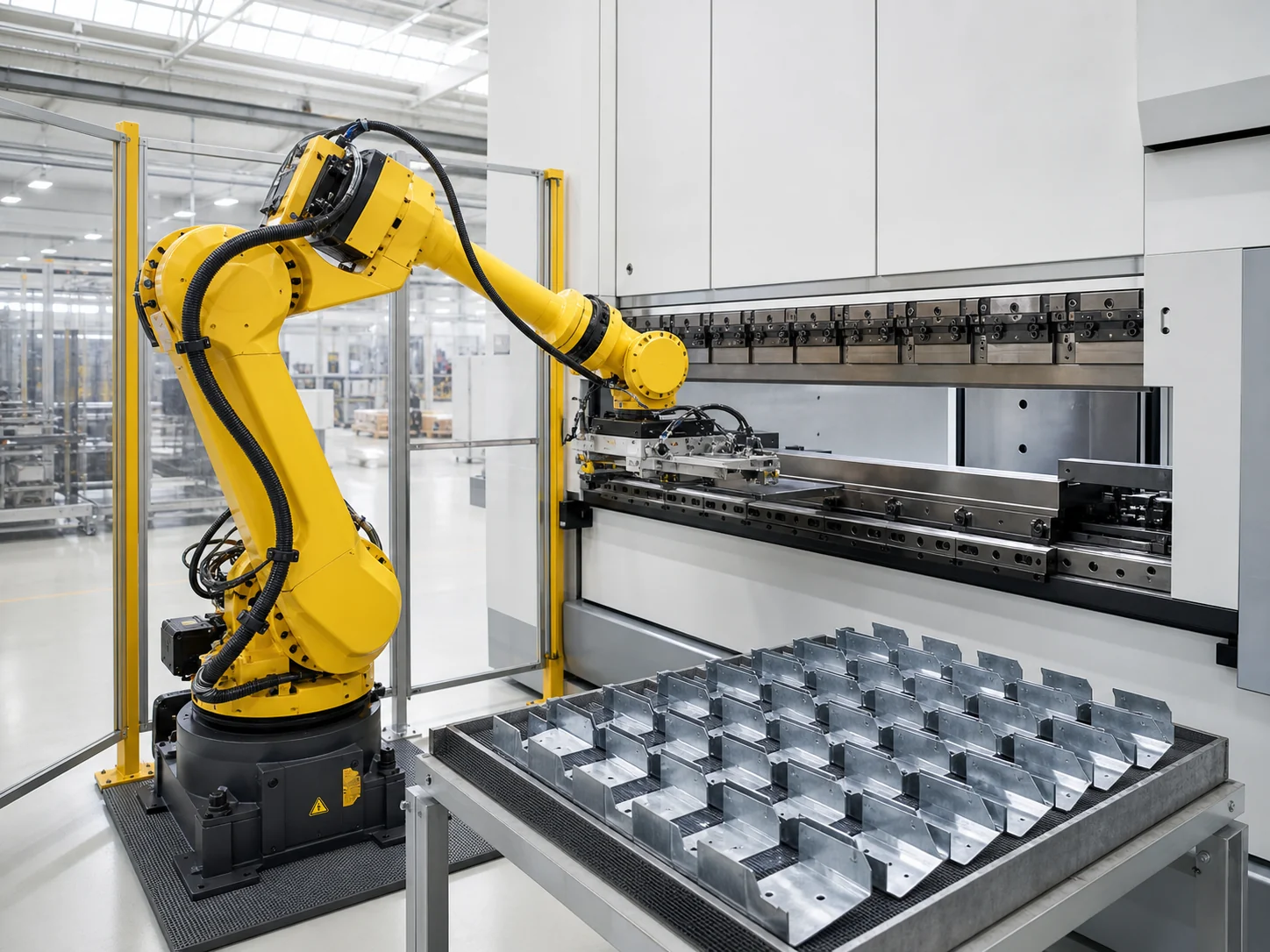 03
03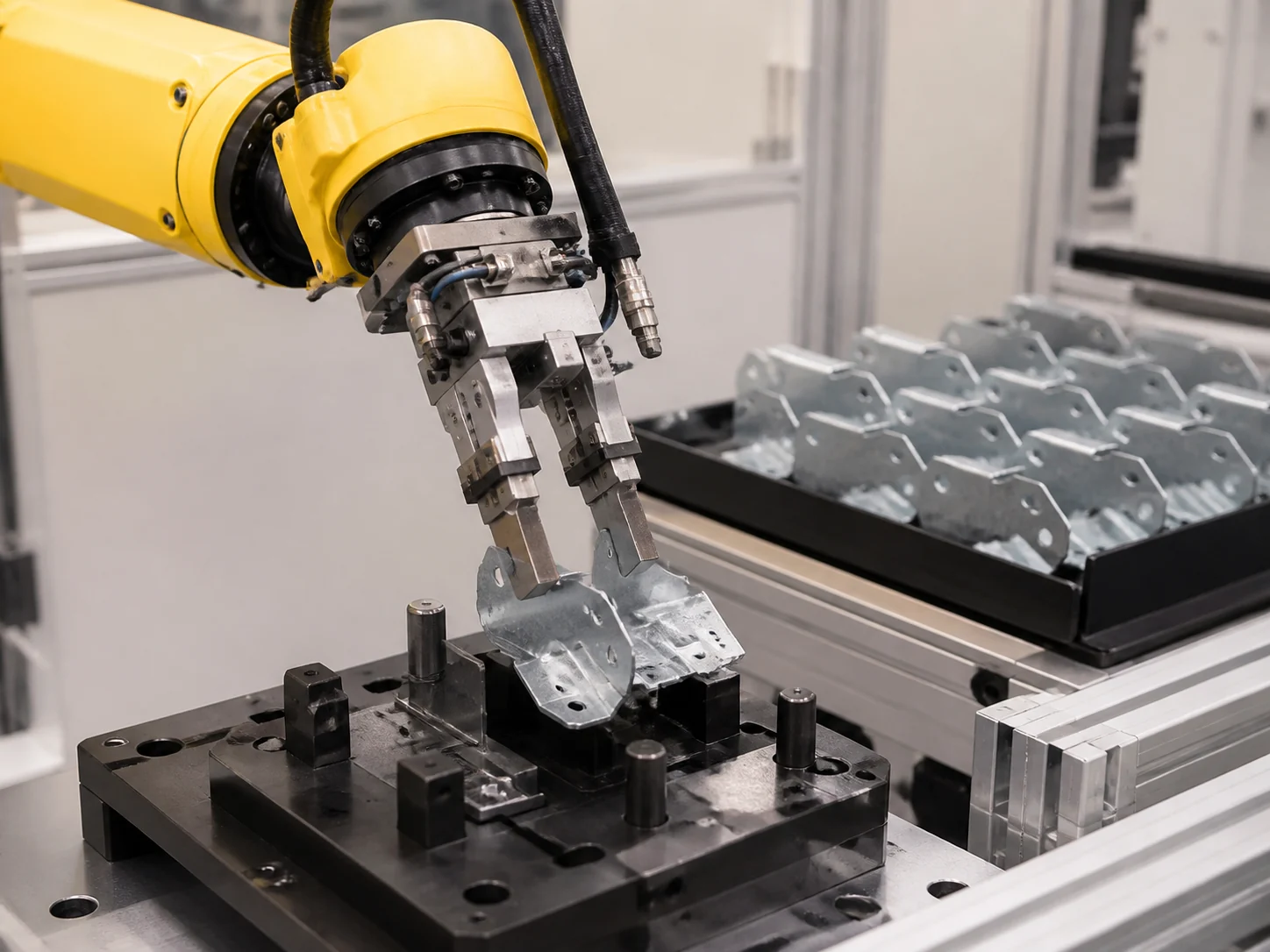 05
05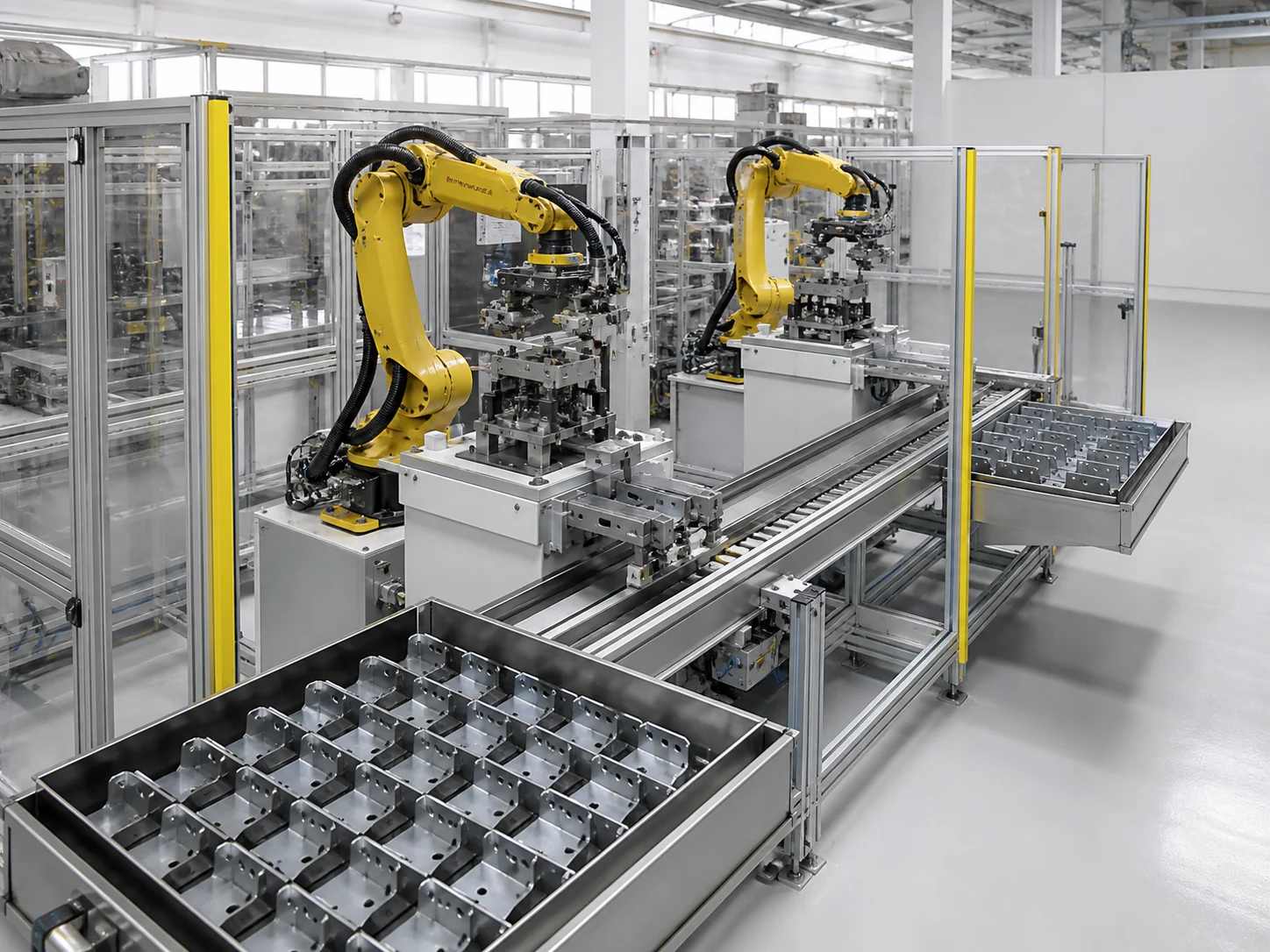 06
06